Reader asks which Apple Watch is newest
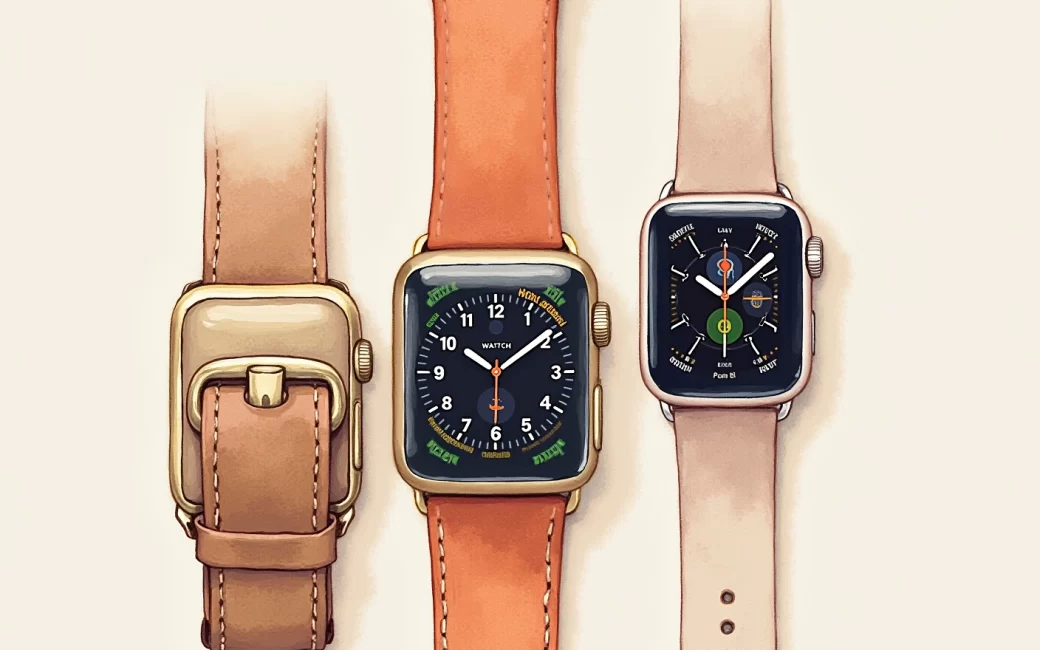
Yes — Apple currently sells the Apple Watch Series 12, the Apple Watch Ultra 4, and the Apple Watch SE 3, all listed on Apple's own watch page. Those three generation numbers are the answer to "is there a new Apple Watch," and any device with a lower number than that — a Series 11, an Ultra 3, an SE 2 — is a prior release still being sold through carriers or resold secondhand, not a rumor.
Apple has followed a yearly announcement rhythm, refreshing the Series and Ultra lines together each cycle, which is why retailers list the same three current names side by side. Carrier pages confirm this lineup rather than a different one: AT&T, T-Mobile, and Verizon all currently stock the Series 12, Ultra 4, and SE 3 as the shipping models. If a page or a search result mentions "Series 11" or "Ultra 3," those are the immediately preceding generation — real, sold, but no longer the newest.
To work out what's actually on a shelf or a carrier listing, check three things:
- The name on the case back or box: Series, Ultra, or SE, plus a number.
- Whether that number matches current retail pages — Series 12, Ultra 4, SE 3 — or a number below it.
- The generation already owned, since Apple's yearly hardware gains are usually incremental rather than a reason to replace a one- or two-year-old watch outright.
A Series 10 owner looking at a Series 12 is looking at two hardware refreshes' worth of change; a Series 11 owner is looking at one. The gap matters more than the word "new" does.
Buyer wants better health tracking
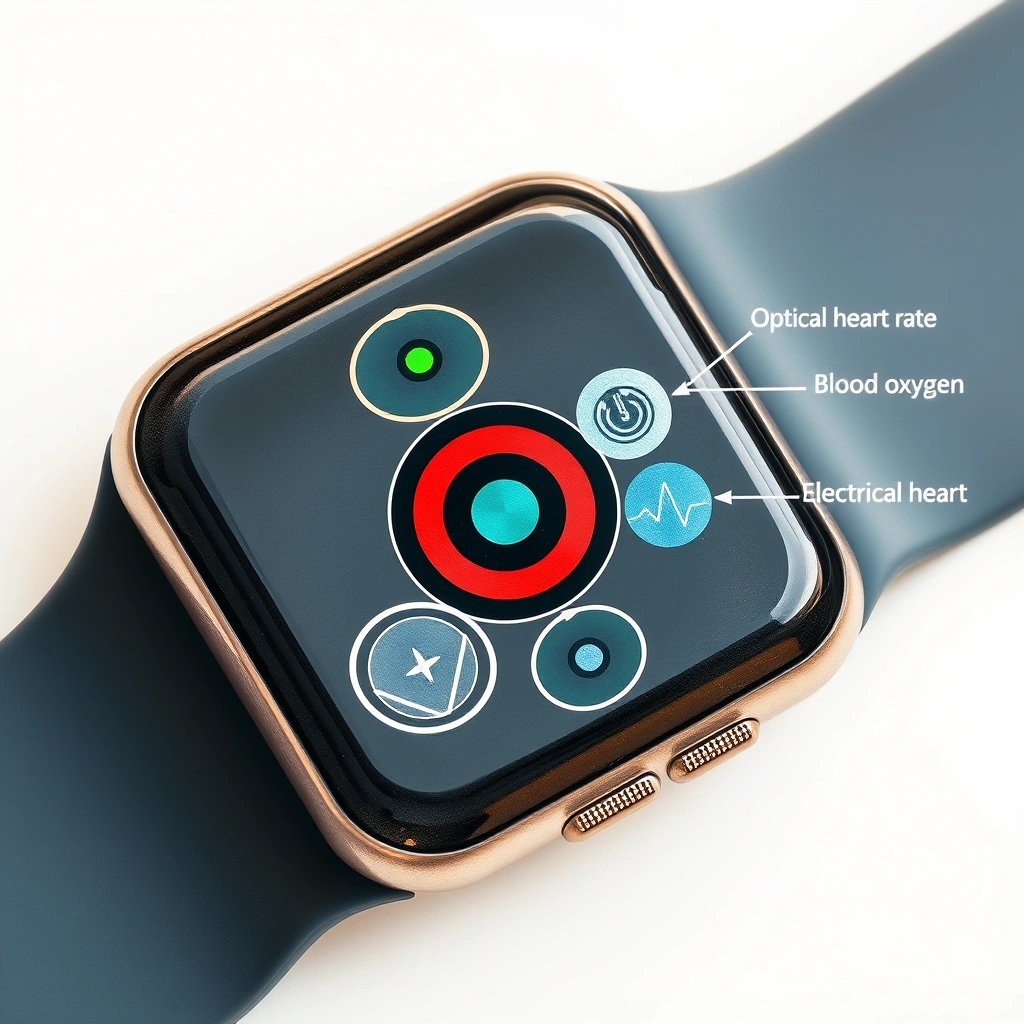
Better health tracking comes from sensor hardware, not from the model name. The sensor array — optical heart rate, temperature, blood oxygen, electrical heart sensor — sits in the watch case itself and changes only when Apple updates the case design for a new generation, so a software update to an older watch won't add sensors it doesn't have.
Heart rate and related metrics are exactly where Series, Ultra, and SE diverge. PCMag's hands-on with the Series 12 describes health features as one of the generation's headline changes, distinct from the software layer. The SE line has historically shipped without some of the sensors found on Series and Ultra models — no blood oxygen sensor, for instance, on prior SE generations — which is the tradeoff behind its lower price.
So the decision isn't "is the new watch worth it" in the abstract — it's which sensors a buyer actually wants:
| Need | Best fit |
|---|---|
| Core fitness tracking, notifications, basic heart rate | SE 3 |
| Full health sensor suite (ECG, blood oxygen, temperature) at standard size | Series 12 |
| Same sensor suite plus ruggedized case, longer battery, larger display | Ultra 4 |
Anyone shopping specifically for health data should rule out the SE regardless of its price, since the sensors it lacks aren't something a later software update restores.
Buyer is unsure the new model justifies its price
Some of what looks like "new watch" value is actually a software update that will reach older hardware for free. Wired's coverage of the Siri upgrade describes an AI-driven Siri improvement arriving alongside the Series 12 and Ultra 4 launch — the kind of feature that's tied to watchOS rather than to a new chip or sensor, meaning existing watches capable of running the new OS version stand to gain it too.
That split — software gains versus hardware-only gains — is the actual test for whether upgrading pays off:
- Software-only improvements (assistant behavior, interface changes, new watch faces, most Siri upgrades) typically reach any watch that can run the current watchOS release, new or three years old.
- Hardware-only improvements (new sensors, faster charging, brighter or larger displays, longer battery runtime, new chip performance) exist only in the newest case design and can't arrive by update.
MacRumors' ongoing roundup tracks this distinction release over release, which is useful for separating a marketing headline from an actual reason to spend money. A buyer whose real complaint is "Siri feels slow" or "I want a new watch face" may get that fix without buying anything. A buyer who wants a brighter always-on display or longer battery life is asking for something only new hardware delivers.
If the hardware case does hold up, the buying channel changes the math more than the sticker price does. Carrier installment plans and trade-in credit — offered through pages like AT&T's, T-Mobile's, and Verizon's — can offset a meaningful chunk of the upfront cost against an older watch, spreading the rest over monthly bill credits rather than paying Apple's price in full at once.
Buyer has no iPhone
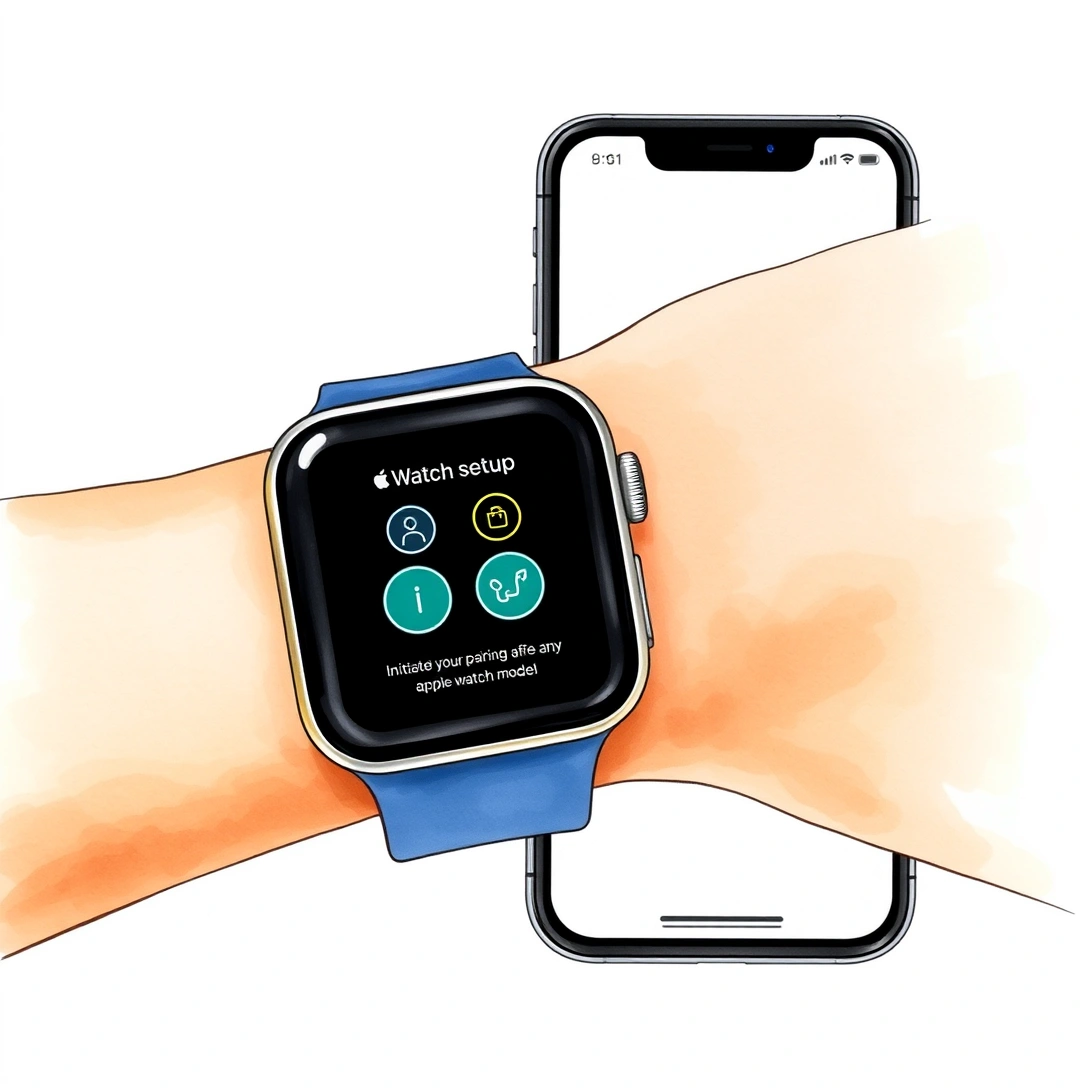
An Apple Watch can't be set up without an iPhone — that's the one hard blocker before any model comparison is worth having. Initial pairing, all watchOS setup, and most ongoing functionality run through the Watch app on iPhone, described on Apple's own product page; there's no equivalent standalone setup path for Android.
That makes the Series-versus-Ultra-versus-SE decision moot for anyone without an iPhone already, or without plans to get one. The practical alternatives sit outside Apple's lineup entirely — Android-compatible smartwatches from Samsung or Google's Wear OS devices are built to pair with Android phones the way the Apple Watch pairs with iPhone. Anyone choosing a phone platform is really choosing a watch ecosystem at the same time; the two aren't independent purchases.
Apple Watch Series (Series 11 / Series 12)
The Series line is Apple's mainstream flagship watch, the one most buyers land on by default, and Series 12 is the current generation carried across Apple, AT&T, T-Mobile, and Verizon. PCMag's hands-on report names health-sensor changes among the notable differences from the prior generation, alongside performance and display updates typical of a yearly Series refresh.
Series 11 is the immediately preceding generation — not a rumor, not unreleased, just no longer the newest — and remains a reasonable purchase secondhand or through clearance retail listings. For anyone comparing the two, the practical question is whether the Series 12's specific sensor or display gains matter enough to pay a premium over Series 11 stock still in channel, since the core watchOS software experience is shared across both once each is updated to the current OS release.
Band and case-size compatibility is worth checking directly against a specific existing collection rather than assuming continuity: Apple has changed case dimensions and connector styles across generations before, so older bands don't automatically fit every new case size, and this is worth confirming against Apple's own current size and band listings before assuming a band collection carries over.
Apple Watch Ultra (Ultra 3 / Ultra 4)
The Ultra is Apple's larger, more rugged model, aimed at buyers who want longer battery life, a brighter display, and durability features beyond what the Series case offers — and Ultra 4 is the current generation, per Apple's product listing and the same carrier pages carrying Series 12 and SE 3. Wired's report on the Ultra 4 launch ties it to the same Siri software upgrade rolling out across the current lineup, which underscores that the Ultra's software feature set overlaps heavily with Series — the differentiation is almost entirely in case size, battery, and durability, not in the assistant or interface layer.
Whether Ultra 4 is "worth it" over a Series 12 depends on a short, specific checklist rather than a general verdict:
- Battery runtime — the Ultra case is built for multi-day use in ways the Series case isn't; if screen-on time between charges is the actual pain point, that favors Ultra.
- Display brightness and size — relevant outdoors, in direct sun, or for anyone who finds the standard Series display hard to read at a glance.
- Durability and water/dust resistance — matters for specific activities (diving, extreme sports, worksite use) more than everyday wear.
- Price difference against Series 12 — if none of the above are actual use cases, the extra cost is buying case toughness and battery margin that won't get used.
Ultra 3, the prior generation, remains a live comparison point for anyone deciding whether last year's Ultra at a lower price meets the same needs as this year's — the battery and display gains between one Ultra generation and the next are typically smaller than the gap between Series and Ultra as product tiers.
Apple Watch SE (SE 3)
The SE is Apple's lower-priced entry point, and SE 3 is the current version listed alongside Series 12 and Ultra 4 on Apple's site and across AT&T, T-Mobile, and Verizon. It trades some of the sensor suite and design refinement found on Series and Ultra for a lower price, which makes it a reasonable choice for someone who wants core notifications, activity tracking, and basic heart rate monitoring without paying for features they won't use.
Anyone drawn to the SE specifically for health tracking should revisit that goal first: the sensor gaps that keep the SE's price down are the same gaps that rule it out for blood oxygen or ECG readings, so a buyer whose main interest is detailed health data is generally better served by Series or Ultra, price difference notwithstanding. For everyone else — a first Apple Watch, a child's or family member's watch, or a straightforward upgrade from a much older non-smartwatch — the SE 3 covers the basics at the lowest entry cost in the current lineup.
Before buying any of these three, it's worth checking a carrier's current trade-in and installment terms against Apple's own pricing directly — AT&T, T-Mobile, and Verizon each structure credit differently, and running an old device's trade-in value against each before choosing a model is the step that actually determines final cost.