Reader is unsure whether to upgrade from an older iPhone
The fastest way to decide is to line up your current phone's display, camera, and battery numbers against the iPhone 17's published specs, then check whether independent hands-on coverage found those numbers hold up outside a lab. Apple's own tech specs page lists the baseline figures; everything else is a matter of whether the gap between your phone and those figures is big enough to justify paying for it.
Compare the spec sheet against your current device
Start with three things that actually change how a phone feels day to day: the screen's refresh rate and peak brightness, the battery's rated video playback hours, and the base storage tier. The iPhone 17 uses Apple's ProMotion adaptive refresh technology, listed on Apple's iPhone 17 product page alongside the display and battery figures. CNET's first-look coverage names a brighter screen and camera changes as the two things most worth noting about this generation. If your current phone is three or more annual cycles old, differences like these tend to be noticeable within the first day; coming from last year's model, the practical gap is much smaller.
Cross-check the claims against hands-on coverage
A spec sheet describes what a phone is rated to do; hands-on coverage describes what reviewers actually observed using it. CNN Underscored's review and CNET's first-look piece both describe early impressions of the device rather than relying only on Apple's marketing copy, which is most useful for battery life and camera output — the two areas where a rated number and lived experience diverge most often. Reading both pieces against Apple's own tech specs gives you a rated figure and at least one independent observation to weigh it against, rather than a single number with no way to check it.
Deciding between iPhone 17 and iPhone 17 Pro
The decision mostly comes down to camera system and display rather than raw processing power, since both phones handle everyday tasks comparably. Carriers market the Pro as the step up for people who shoot frequently in low light or want a larger, brighter display for extended use — see Verizon's iPhone 17 Pro listing for how the Pro is positioned against the standard model. A simple way to frame the choice:
| Consideration | iPhone 17 | iPhone 17 Pro |
|---|---|---|
| Primary use case | Everyday photos, casual video calls | Frequent low-light shooting, extended screen use |
| Camera system | Fusion main camera, Portrait mode | Additional camera hardware marketed by carriers as the Pro's differentiator |
| Display | ProMotion, brighter panel noted in early coverage | Larger/brighter panel per carrier listings |
| Where the price difference is justified | Casual users, most photography and calls | Buyers whose photography or video work regularly pushes past casual use |
If your photography is mostly casual snapshots and portraits, the base iPhone 17's Fusion main camera and Portrait mode cover that ground. The Pro's advantage shows up in more demanding shooting conditions, not in everyday point-and-shoot use.
It's also worth deciding against the calendar, not just the spec sheet. Apple has released a new numbered iPhone generation on an annual cadence, and anyone buying now is implicitly choosing to skip whatever the next annual cycle brings rather than waiting for it. If your current phone still functions and your case for upgrading is marginal, that annual rhythm is a reason to wait rather than a reason to rush.
Headline price is driven by the chosen storage capacity
The price you see advertised is rarely the price you'll pay, because Apple's listed starting price applies only to the base storage tier. T-Mobile's iPhone 17 page shows pricing that climbs with storage capacity, in line with the tiered pricing structure on Apple's own product page.
How carrier promotions and trade-in change the number
Carrier promotional pricing is generally applied as a bill credit over time rather than an upfront discount, which is why an "as low as" figure on a carrier page assumes the line stays active for the length of the promotion. T-Mobile structures its iPhone 17 offers around ongoing service and installment terms rather than a flat price cut, and the specific conditions — length of commitment, which plan qualifies, how much trade-in credit a given device earns — are listed on the carrier's own page rather than being a fixed, universal number.
What trade-in actually requires
Trade-in credit is conditional rather than automatic. In general terms, it depends on the condition and model of the device being traded in, activation of a new line or upgrade with that carrier, and the credit being issued over the term of the installment or promotional period rather than as cash at checkout. The exact eligibility rules, credit amounts, and whether early cancellation affects the credit are set out on the carrier's own current offer page — check the terms for your specific device before assuming a number applies to you.
Reconciling Apple's price with the carrier price
Apple's own iPhone 17 page quotes an unlocked price with no service commitment attached. A carrier page quotes a promotional price that assumes trade-in and a new or continuing line of service. The practical way to compare them: take Apple's listed price as your ceiling, then check the trade-in value your specific old device actually qualifies for at a carrier like T-Mobile — not the maximum advertised credit, which typically requires a higher-tier trade-in device and a specific plan than the one you may have.
User wants better selfies and video calls
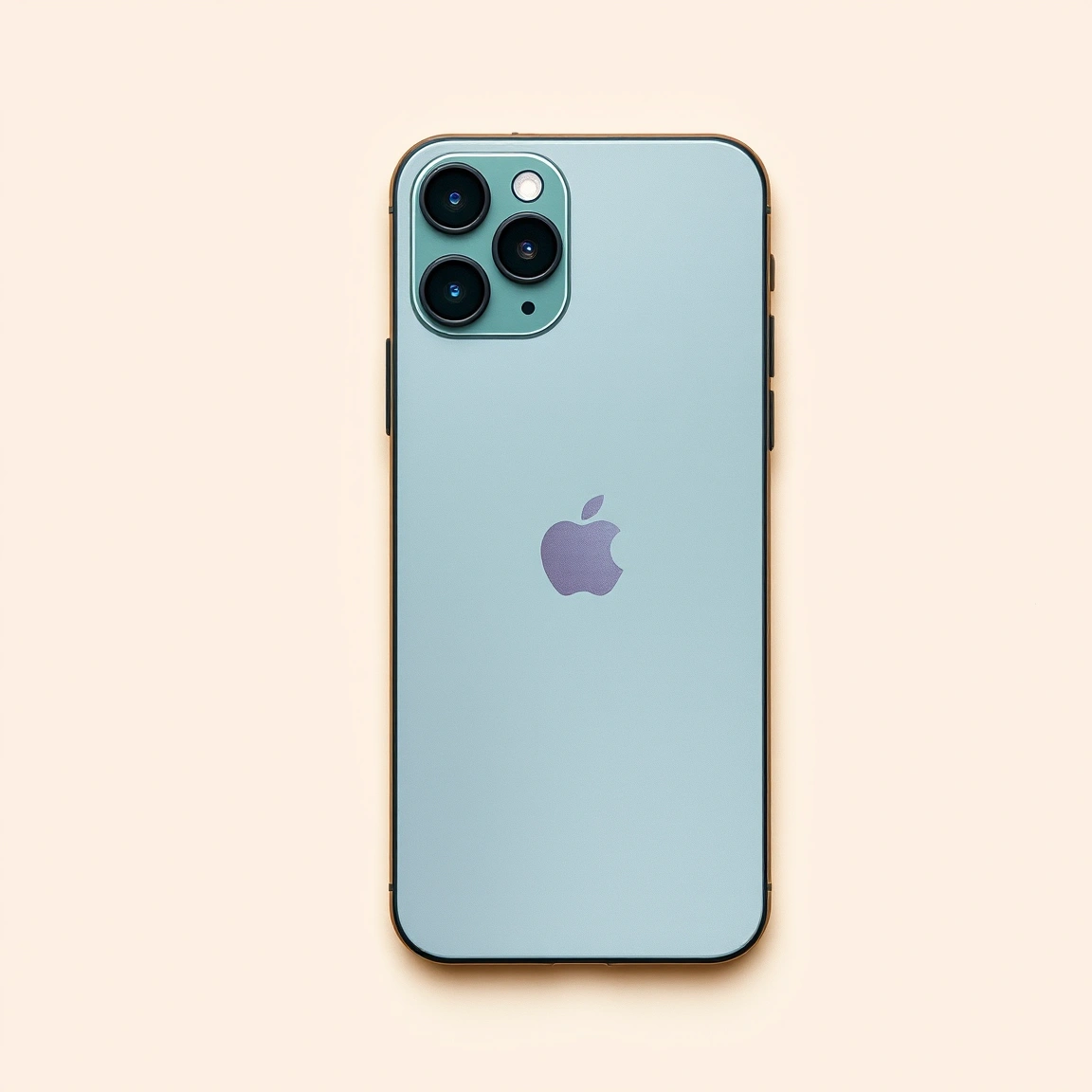
Center Stage is the feature doing the work here, and it operates automatically without requiring you to change how you hold the phone. Apple's iPhone 17 page describes the front camera reframing and tracking subjects as they move during video calls and selfies, which means group shots and calls where someone shifts position stay framed without manual adjustment.
What Portrait mode and the rear camera add
Portrait mode is the setting that produces the blurred-background, subject-in-focus look for photos of people or objects, separating the subject from the background rather than requiring a wide-open aperture lens to do it optically. On the iPhone 17 it works together with the rear-facing Fusion main camera, which combines multiple focal lengths into one system as described on Apple's product page. The improvement over older iPhones shows up mainly in low-light detail and cleaner background separation rather than in a new mode you need to learn — you still tap the same Portrait option in the camera app.
What changes without changing your habits
None of this requires new habits. You open the camera app, frame roughly, and Center Stage and Portrait mode do the reframing and subject separation in the background. CNET's first look points to camera changes as one of the notable differences in this generation, which suggests the gains are visible in ordinary point-and-shoot use rather than only in controlled comparisons. The output difference — sharper detail, better-separated portraits, steadier framing on calls — happens without you doing anything differently than you did on an older iPhone.
iPhone 17
The iPhone 17 is Apple's standard model in its current lineup, positioned below the Pro tier as the mainstream successor to the prior year's device. Apple's own product page and tech specs sheet list the display, camera, battery, and storage configuration for the base model. It's sold both directly through Apple and through carriers including T-Mobile, typically across several storage tiers with pricing that scales upward from the base configuration.
iPhone 17 Pro
The iPhone 17 Pro sits above the standard iPhone 17 in Apple's lineup and is sold and marketed separately by carriers, including on Verizon's dedicated iPhone 17 Pro page. The core distinction buyers weigh is camera capability and display quality rather than day-to-day software behavior, since both phones run the same operating system and get the same feature set outside of hardware-dependent camera and display capabilities. Anyone deciding between the two is really deciding how much they value the Pro's camera hardware and screen against the price difference, which is best checked directly against a carrier's current Pro pricing rather than assumed from the base model's price.
ProMotion display
ProMotion is Apple's name for its adaptive high-refresh-rate display technology, referenced across the iPhone 17's marketing and specs as a core reason the screen feels more responsive during scrolling and motion. Apple's iPhone 17 page lists ProMotion as part of the display package. The practical effect is a smoother-looking interface during fast scrolling or gaming compared with a fixed lower refresh rate, without a proportional battery penalty, because the refresh rate adjusts based on what's on screen rather than running at maximum constantly.
Display brightness
Display brightness is one of the changes early hands-on coverage singled out in this generation, rather than only a marketing figure. CNET's first-look coverage names a brighter screen as one of the two things it flags about the iPhone 17 relative to what it replaces. Added peak brightness matters most for outdoor visibility — checking email or navigation in direct sunlight is the situation where it's most noticeable, more than indoor use where most current phones already look adequate.
Fusion main camera
Fusion is Apple's name for the rear main camera system on the iPhone 17, combining multiple focal lengths and sensor data into a single output rather than requiring the user to switch modes manually. Apple's product page describes it as the primary rear camera, and it's the system doing most of the work in ordinary photography — the improvement over older iPhones shows up mainly in detail retention in mixed lighting rather than in a mode you have to seek out.
Rear camera system
The full rear camera system on the iPhone 17 includes the Fusion main camera along with supporting lenses, detailed on Apple's tech specs page. Camera changes were among the points CNET's first look called out relative to the prior generation, which suggests the difference is broad enough to show up in casual comparison shots rather than only in side-by-side lab testing.
If you're deciding whether that's enough of a jump to justify upgrading, the honest comparison is your current phone's camera system against the iPhone 17's rear camera specs listed by Apple — not marketing language, which tends to describe every generation as a leap forward regardless of the actual year-over-year difference.
Center Stage front camera
Center Stage is the front-facing camera feature that automatically reframes and tracks subjects during video calls and selfies, adjusting the field of view as people move rather than requiring a fixed pose. It's built into the iPhone 17 as described on Apple's product page, and its main practical benefit is in group video calls or selfies where someone shifts position — the frame follows them instead of cutting them out, which is the specific problem it's designed to solve rather than a general image-quality improvement.
Anyone weighing whether this matters for their own use should think about how often they're on video calls with multiple people or shooting selfies handheld in motion; if most of your photography is static single subjects, the gain from Center Stage specifically is smaller than the gain from the rear camera improvements.
If you're still deciding, the next practical step is checking your current phone's exact storage and camera specs against the iPhone 17 tech specs page side by side, then pricing out trade-in value for your specific model directly on a carrier's current offer page before choosing between the standard and Pro tiers.